Types of Trains: A Beginner’s Guide to Every Train on the Rails
Learning the types of trains turns every passing train into something you can actually read: where it is headed, what it carries, and why it looks the way it does.
This guide sorts them into clear groups so you can identify any train in seconds.
How Trains Are Classified
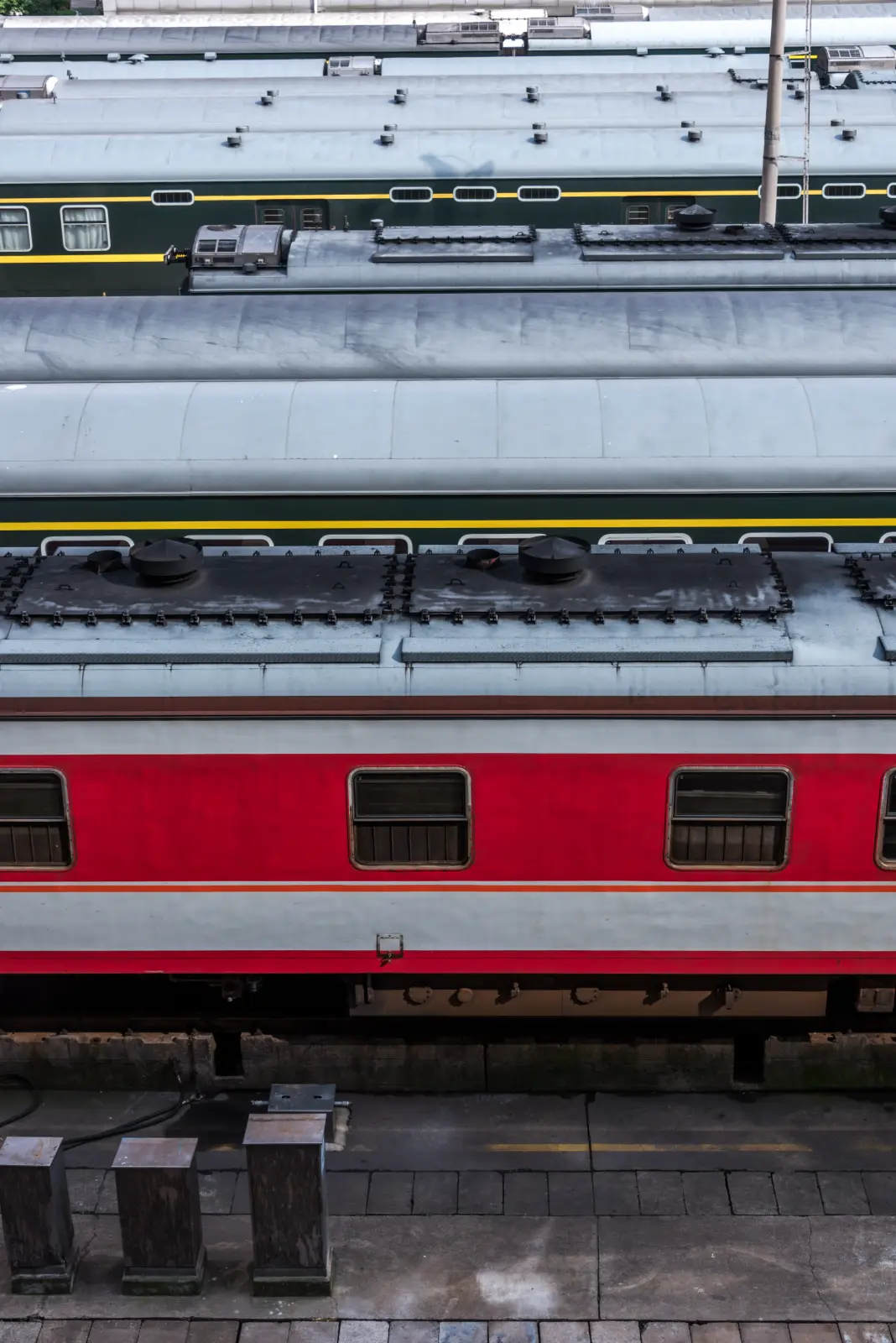
Railroaders and enthusiasts group trains in three practical ways:
By purpose: moving people or moving goods
By power: diesel-electric, electric, steam, or battery
By service pattern: long distance, regional, urban, or special use
Purpose is the most useful starting point, so this guide follows it.
Passenger Train Types
Passenger rail ranges from 150-mph express services to streetcars that stop every few blocks.
High-Speed Rail
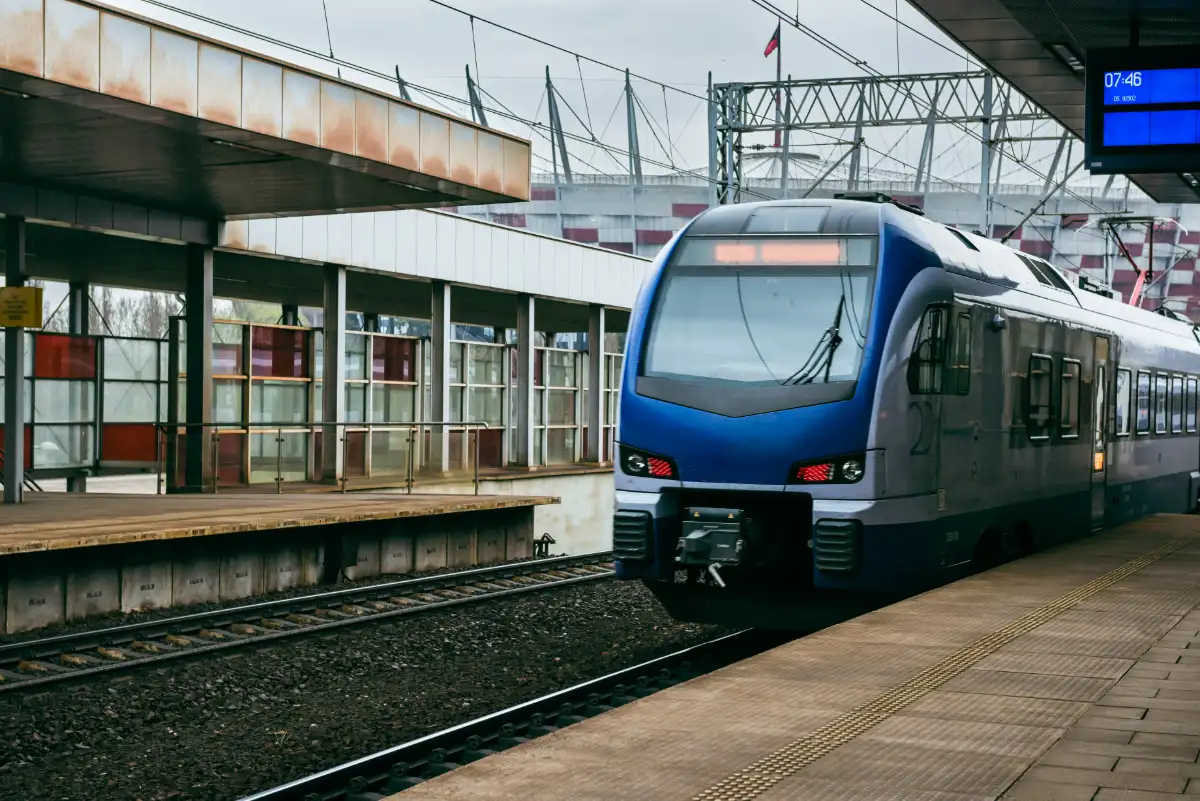
High-speed trains run on specially engineered track, often above 155 mph. Amtrak’s Acela on the Northeast Corridor is the flagship example in the United States.
Intercity Trains
Intercity trains link cities hundreds of miles apart. Long-distance routes often include sleeper cars, dining cars, and lounge cars for overnight travel.
Commuter Rail
Commuter trains carry you between suburbs and a central city, with heavy rush-hour schedules. Many use push-pull operation, with a locomotive at one end and a cab car at the other.
Rapid Transit and Subways
Subways and metros run frequent service on fully separated tracks, underground or on raised structures. They draw power from a third rail or overhead wires.
Light Rail and Streetcars
Light rail vehicles share some streets with traffic but often have dedicated lanes. Streetcars, also called trolleys, run mostly in mixed traffic with closer stop spacing.
Monorail and Maglev
Monorails ride on a single beam, common at airports and theme parks. Maglev trains float above a guideway using magnets, which removes wheel friction entirely.
Freight Train Types
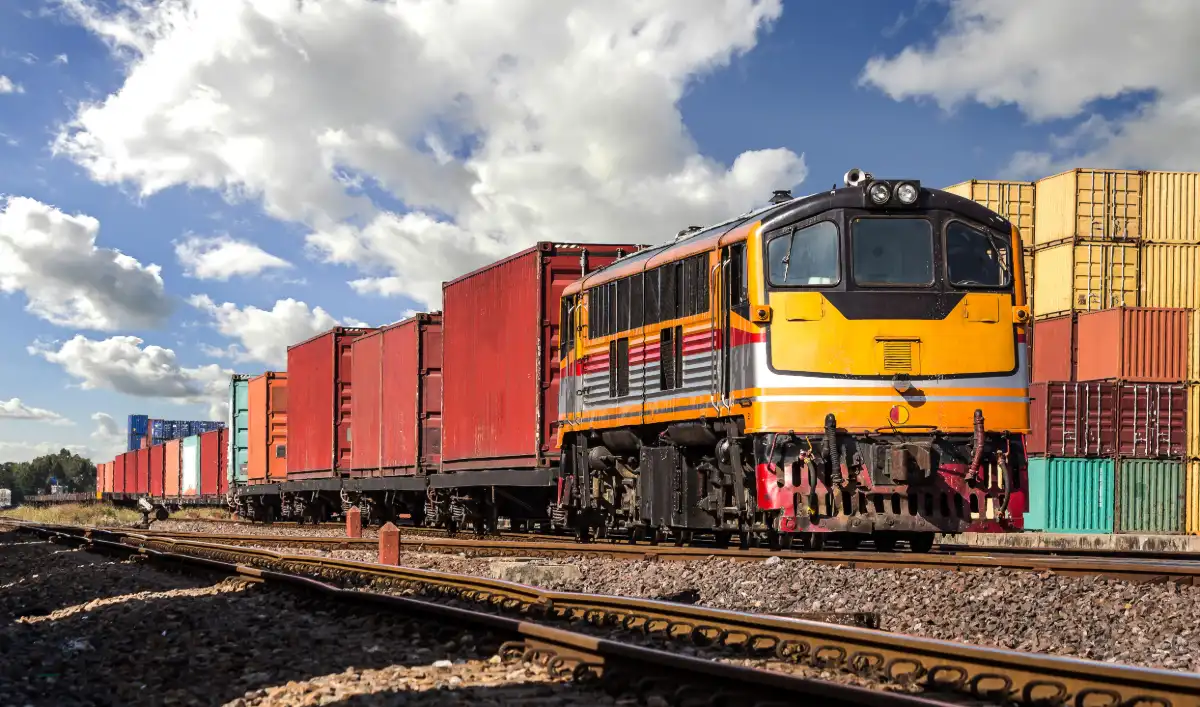
Freight railroads move the heavy, bulky goods your economy depends on. You will see three main patterns.
Manifest Trains
A manifest train carries a mix of car types bound for different customers. Boxcars, tank cars, and flatcars may all ride in the same consist.
Unit Trains
A unit train hauls one commodity, such as coal, grain, or crude oil, from a single origin to a single destination. Every car looks the same.
Intermodal Trains
Intermodal trains move shipping containers and highway trailers. Double-stack trains, with containers stacked two high, are one of the fastest services on the freight network.
Special-Purpose Trains
Not every train earns revenue from passengers or freight.
Work trains: carry crews, ballast, and rail for track maintenance
Track inspection trains: measure track geometry and rail condition
Heritage and tourist trains: preserve historic equipment for scenic rides
Business trains: carry railroad officials and guests on inspection trips
How to Identify Types of Trains From Trackside
A few visual clues will tell you almost everything:
| Containers stacked two high | intermodal |
| A long line of identical hoppers or tank cars | unit train |
| A mix of boxcars, tankers, and flatcars | manifest |
| Overhead wires above the track | electrified passenger or transit line |
| A locomotive at one end and a cab car at the other | commuter push-pull set |
Once you spot these patterns, you will start predicting what is coming around the bend.
Frequently Asked Questions
Short answers to common questions from new rail fans.
What Are the Two Main Categories of Trains?
Passenger trains and freight trains. Every other label, from commuter to intermodal, is a subtype of one of these two.
What Is the Fastest Type of Train?
Maglev and high-speed rail hold the speed records. Conventional wheeled high-speed trains in regular service commonly run between 186 and 217 mph in Europe and Asia.
What Is the Difference Between Light Rail and a Subway?
A subway runs on fully separated tracks with no road crossings. Light rail can share streets and intersections with cars.
What Is the Most Common Freight Train in the United States?
Manifest and intermodal trains are the most visible on major routes. Unit trains dominate corridors that serve mines, grain elevators, and power plants.
See What Powers Every Train
You now know the main types of trains on the rails. Your next step is understanding the locomotive that pulls them and how railroads keep every trip safe.