Train Derailment Explained: Causes, Risks, and How to Stay Safe
A train derailment happens when one or more wheels leave the rails, and the cause is almost always a chain of small failures rather than a single dramatic event.
This guide shows you why derailments occur, how railroads work to stop them, and what you should do if you are ever nearby.
What Is a Train Derailment?
A derailment is any event where a rail vehicle’s wheels come off the track. It can involve a single car at walking speed or dozens of cars on a mainline.
Many derailments happen in rail yards at low speed and cause little damage. The rare high-speed or hazardous-materials incidents are the ones that make headlines.
How a Wheel Actually Leaves the Rail
Train wheels stay on track thanks to a cone-shaped tread and an inner lip called the flange. A derailment begins when something defeats that geometry:
01
Flange climb: lateral force pushes the flange up and over the rail head
02
Rail rollover: the rail tips outward under heavy side loads
03
Wide gauge: the rails spread apart and a wheel drops between them
04
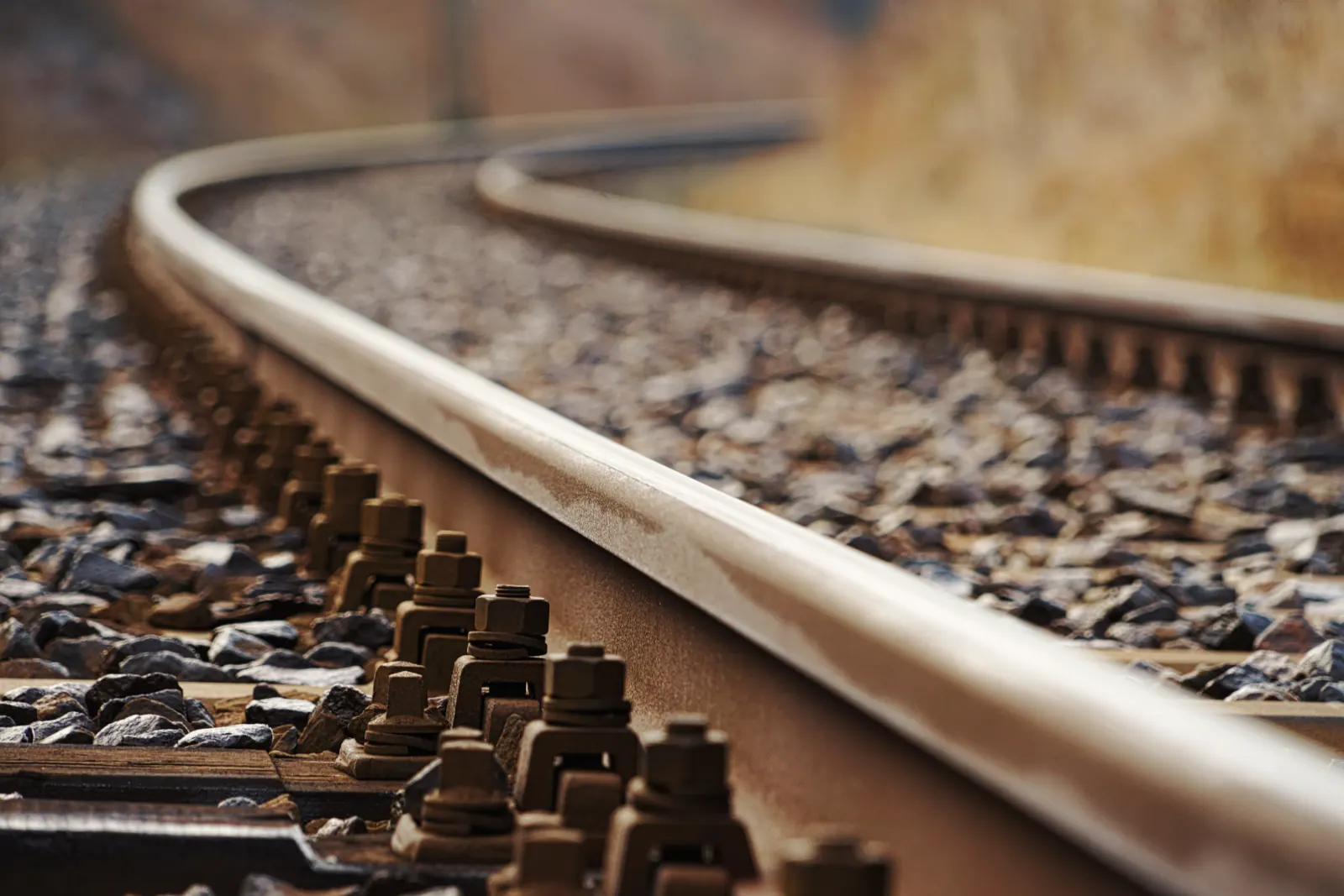
Broken rail: a cracked or snapped rail leaves a gap the wheel cannot cross
The Main Causes of Train Derailment
The Federal Railroad Administration groups causes into five categories. Track problems and human factors account for most incidents.
Track Defects
Broken rails, worn ties, poor track geometry, and failed switches top the list. Extreme heat can also bend rails out of line, a condition crews call a sun kink.
Equipment Failures
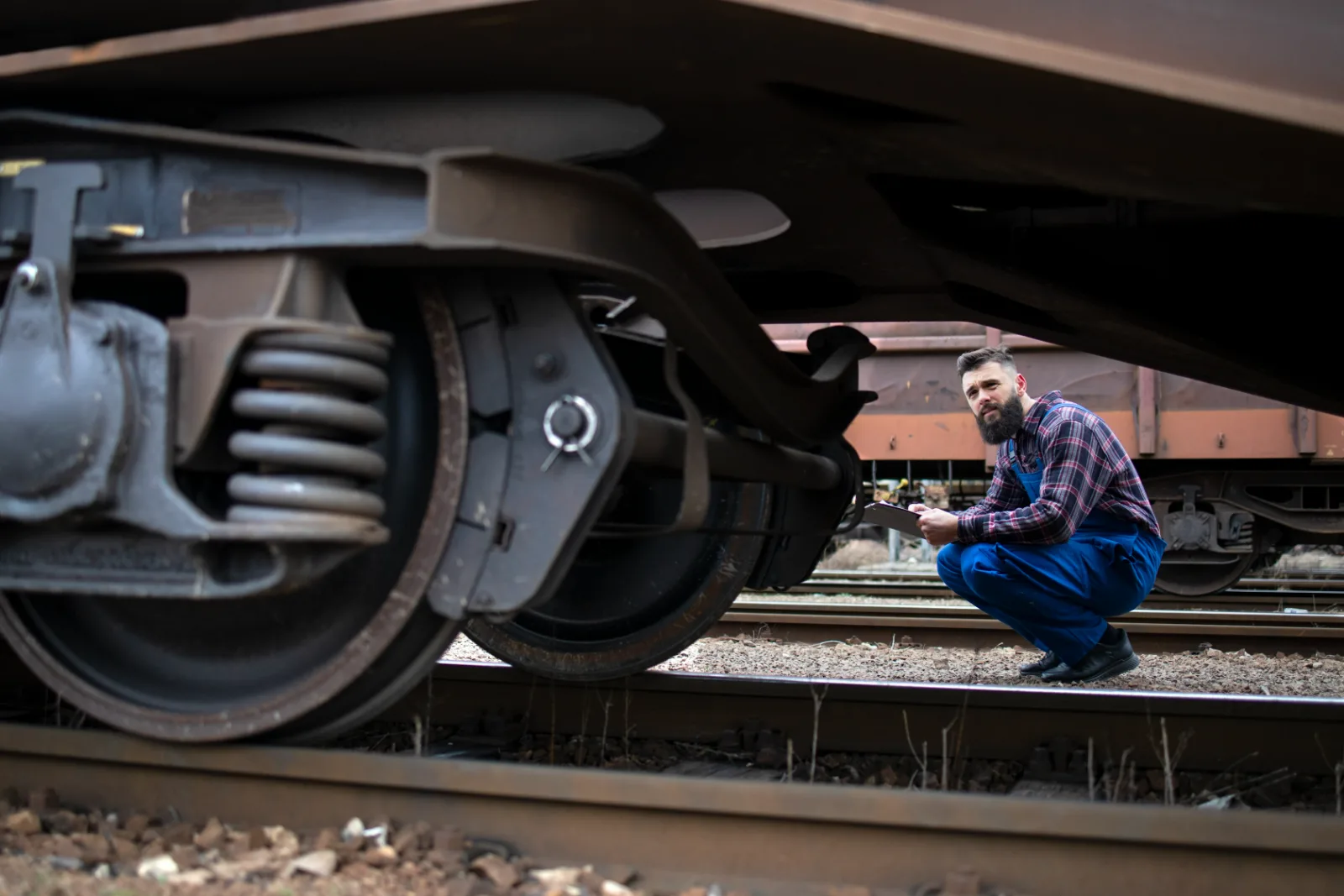
Overheated wheel bearings, cracked wheels, and broken couplers can cause a car to derail. A failing bearing can get hot enough to cause the axle to break.
Human Factors
Excess speed, improper train handling, and misaligned switches fall into this group. Long, heavy trains demand precise control on curves and grades.
Signal and Miscellaneous Causes
Signal faults, obstructions on the track, washouts, landslides, and vehicles stuck on crossings round out the list.
How Railroads Prevent Derailments
Modern railroads layer several defenses so one missed problem does not become a disaster.
- Wayside detectors: sensors along the track flag hot bearings, dragging equipment, and impact-damaged wheels
- Ultrasonic rail testing: special vehicles scan rails for internal cracks
- Track geometry cars: measure alignment, gauge, and surface at track speed
- Positive Train Control: automatically stops a train before an overspeed derailment, a collision, or entry into a misaligned switch
- Speed restrictions: temporary slow orders protect damaged or hot track
Federal law required Positive Train Control on key mainlines, and railroads completed it on required routes by the end of 2020.
Two Train Derailment Cases That Changed Rail Safety
2015
In May 2015, Amtrak Train 188 derailed in Philadelphia after entering a 50-mph curve at about 106 mph. Investigators concluded Positive Train Control would have prevented it.
2023
In February 2023, a Norfolk Southern freight train derailed in East Palestine, Ohio. The NTSB traced it to an overheated wheel bearing, which renewed focus on wayside detector spacing and alert thresholds.
What to Do If a Derailment Happens
Your response depends on where you are when it occurs.
Step 1: If You Are on Board, Brace and Hold On
Stay low, hold a seat back or armrest, and protect your head. Remain in place until the train fully stops.
Step 2: Follow the Crew’s Instructions
Do not step onto the tracks unless there is fire or smoke. Emergency windows and door releases are marked in every passenger car.
Step 3: If You Are Nearby, Move Away Fast
Leave the area uphill and upwind, especially if tank cars are involved. Follow evacuation or shelter-in-place orders from local officials.
At most crossings, a blue Emergency Notification System sign lists a phone number and crossing ID. Use it to report a stalled vehicle or a track problem before it causes an accident.
Frequently Asked Questions
Direct answers to the questions people search most after a derailment makes the news.
How Common Are Train Derailments in the United States?
Federal data shows roughly a thousand derailments per year. Most are minor, low-speed events in yards that cause no injuries.
Is Train Travel Still Safe?
Yes. Per mile traveled, rail is far safer for passengers than driving a car.
What Is the Leading Cause of Derailments?
Track defects, especially broken rails and geometry problems, are consistently among the top causes in federal accident data.
Who Investigates a Major Derailment?
The National Transportation Safety Board investigates serious accidents, while the Federal Railroad Administration enforces safety rules.
Understand the Machines Behind Every Journey
Knowing what causes a train derailment makes you a sharper, safer observer of the rails. Your next step is learning how the locomotive at the front of the train actually works.