Locomotive Guide: How the Machines That Pull America Actually Work
A locomotive is the powerhouse at the front of nearly every freight train you see, and understanding one comes down to three questions: what powers it, how that power reaches the rails, and who controls it.
This guide answers all three in plain language, whether you are a curious beginner or a seasoned railfan.
What Is a Locomotive?
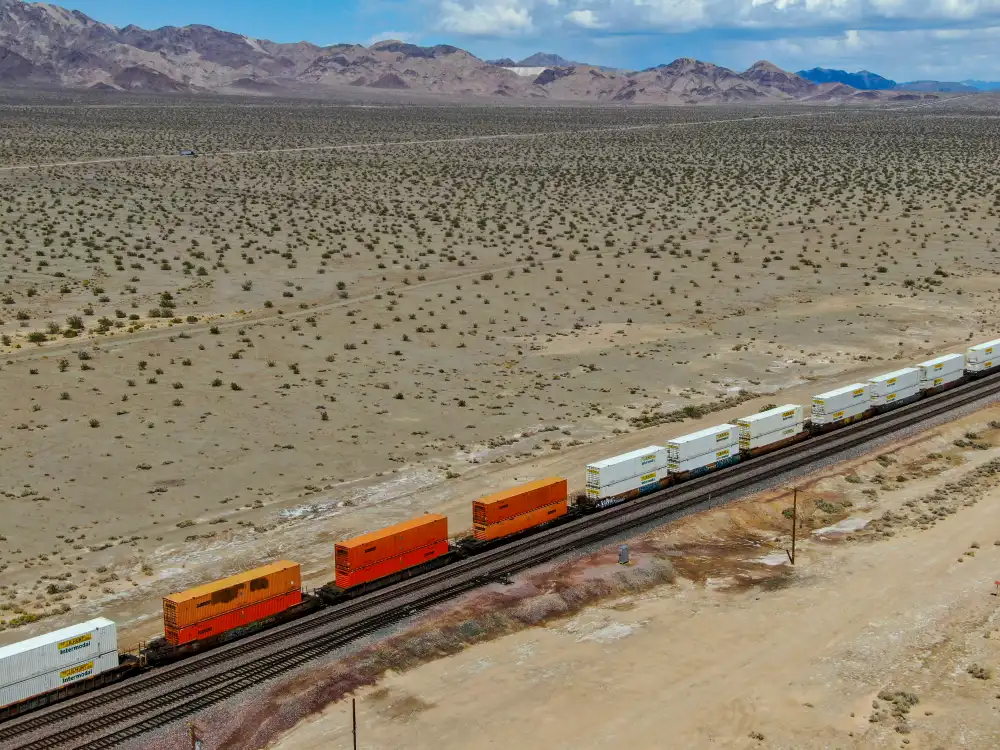
A locomotive is a rail vehicle built for one job: providing the pulling or pushing power that moves a train.
It usually carries no cargo or passengers itself. Instead, it couples to a string of cars and turns fuel or electricity into tractive effort at the wheels.
Some passenger trains skip the separate locomotive entirely. These are called multiple units, and they place motors directly under the passenger cars.
The Three Main Types of Locomotive Power
Every engine you will spot on the rails falls into one of three families. Knowing them helps you read any train at a glance.
Steam Locomotives
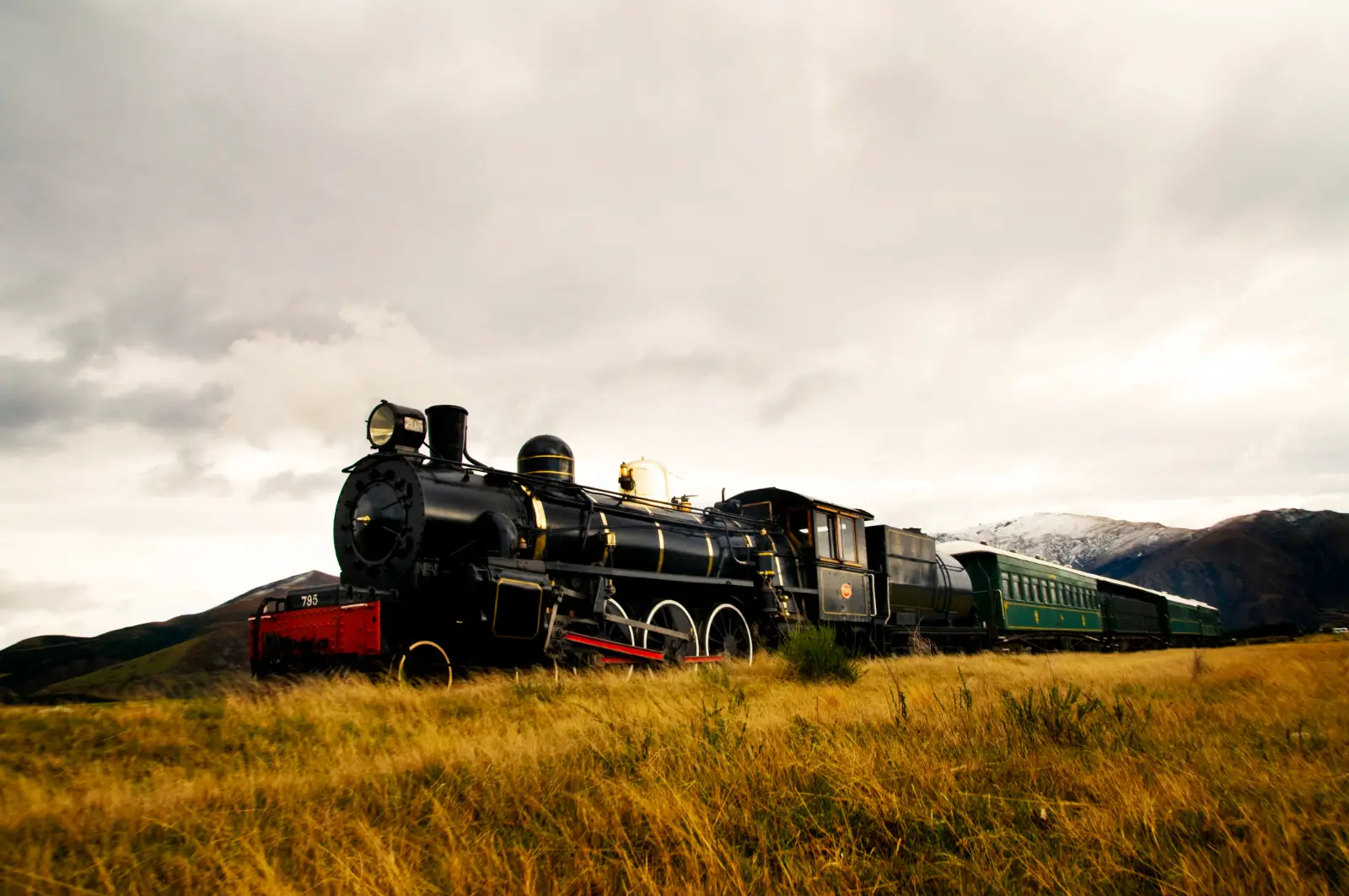
Steam engines burn coal, wood, or oil to boil water, and the steam pushes pistons connected to the driving wheels by heavy rods.
Richard Trevithick built the first working railway steam locomotive in Wales in 1804. In the United States, steam had largely disappeared from mainline service by the late 1950s.
Diesel-Electric Locomotives
A diesel-electric unit uses its diesel engine to spin an alternator, not to turn the wheels directly. That electricity then feeds traction motors mounted on each axle.
This is the most common type on North American freight railroads today. Electric motors deliver huge torque from a standstill, which is exactly what you need to start a heavy train.
Electric Locomotives
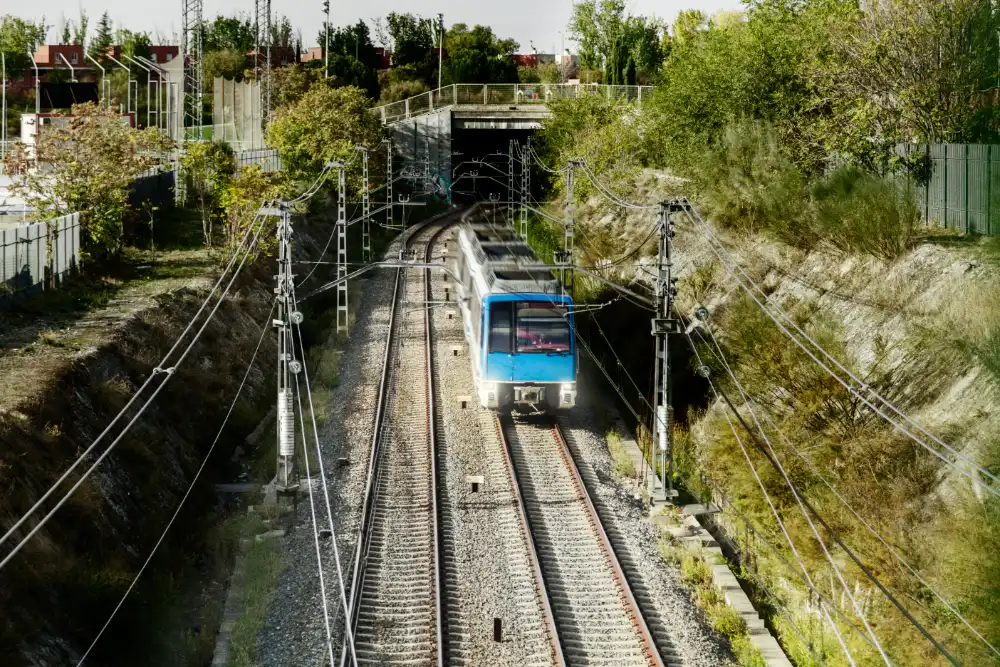
Electric locomotives draw current from overhead wires, called catenary, or from a third rail.
You will find them on Amtrak’s Northeast Corridor, where they offer fast acceleration and zero exhaust at the point of use. Battery-electric and hydrogen designs are also being tested on freight lines.
Key Parts of a Modern Locomotive
If you walk up to a diesel-electric unit at a museum or open house, these are the components worth knowing:
| Prime mover | the large diesel engine that produces power |
| Main alternator | converts engine power into electricity |
| Traction motors | drive the axles and turn the wheels |
| Trucks | the wheel-and-axle assemblies under each end |
| Cab | where the engineer controls throttle, brakes, and horn |
| Air brake system | a compressor supplies air for brakes on every car |
| Dynamic brakes | traction motors act as generators to slow the train |
| Sanders | drop sand on the rails to improve grip |
How a Locomotive Moves a Train
Getting thousands of tons rolling follows a simple sequence.
Step 1: The Engineer Opens the Throttle
On most North American diesels, the throttle has eight positions called notches. Each notch raises engine speed and power output.
Step 2: Power Flows to the Traction Motors
The alternator sends current to the traction motors, which turn the axles. Onboard computers manage wheel slip so the wheels grip instead of spinning.
Step 3: The Train Slows With Two Braking Systems
Air brakes act on every car, while dynamic braking uses the motors to hold speed on long grades. Together they give you smooth, controlled stops.
Locomotive Facts Every Beginner Should Know
Modern road freight units typically produce around 4,300 to 4,400 horsepower and weigh more than 400,000 pounds.
Long trains often use distributed power, placing extra locomotives mid-train or at the rear. The lead engineer controls them all by radio.
History lives on, too: Union Pacific restored Big Boy No. 4014, one of the largest steam engines ever built, and runs it on special excursions.
Frequently Asked Questions
Quick answers to the questions beginners ask most often.
What Is the Difference Between a Locomotive and a Train?
The locomotive is the powered vehicle. A train is the full consist: one or more locomotives plus the cars they move.
Why Are Most Freight Locomotives Diesel-Electric?
A purely mechanical gearbox cannot handle the power and torque a heavy freight train demands. Electric traction motors solve that problem and are easier to maintain.
Who Operates a Locomotive?
A locomotive engineer runs the train, usually with a conductor in the cab. In the United States, engineers must hold a federal certification.
Can You Visit a Real Locomotive?
Yes. Railroad museums, heritage railways, and railroad open houses across the country let you climb into cabs and see the machinery up close.
Keep Building Your Rail Knowledge
Now that you know how a locomotive works, your next step is learning what it pulls and how railroads keep every journey safe.